
How We Work With Chevy Chase Clients
Our office is located in Rockville, about a 20-minute drive from Chevy Chase. Most clients meet with us at our Rockville office, but we regularly travel to meet clients in Chevy Chase and the surrounding area, and we offer virtual consultations and mobile notary services for signings.
Whichever works best for your schedule, you work directly with your attorney from your first call through your final signed documents.
Maryland law overview
Estate Planning in Chevy Chase: Why the Maryland Estate Tax Matters Here
Strategies to Reduce Maryland Estate Tax
The good news is that Maryland estate tax exposure is often highly manageable with thoughtful planning. Depending on your family's circumstances, strategies may include:
- Maximizing both spouses' Maryland estate tax exemptions through portability;
- Credit shelter (bypass) trusts;
- Lifetime gifting, since Maryland does not impose a state gift tax;
- Irrevocable trusts;
- Charitable planning;
- Coordinating beneficiary designations with your overall estate plan; and
- Reviewing ownership of real estate and business interests.
Every estate is different. We analyze your assets, project potential Maryland estate tax liability, and recommend strategies tailored to your family's goals. For many Chevy Chase families, the savings achieved through proper planning far exceed the cost of implementing a comprehensive estate plan.
Why Revocable Living Trusts Are So Common in Chevy Chase
For many Chevy Chase families, a Revocable Living Trust serves as the cornerstone of an estate plan. While a will is still necessary, a properly funded trust can avoid probate, preserve privacy, simplify the administration of your estate, and provide continuity if you become incapacitated.
A trust also offers flexibility that a simple will cannot. It can protect young or financially inexperienced beneficiaries, provide ongoing management for loved ones with disabilities, delay distributions until children reach appropriate ages, and establish safeguards that preserve family wealth for future generations.
For larger estates, trusts can also work alongside tax-planning strategies designed to minimize Maryland estate tax while allowing your family to maintain greater control over how assets are distributed.
Planning for Blended Families and Second Marriages
Estate planning becomes significantly more important when there are children from a prior marriage, remarriages, or unmarried long-term partners. Without careful planning, Maryland law may distribute assets in ways that create conflict between a surviving spouse and children from a previous relationship.
A thoughtfully designed estate plan can provide financial security for a surviving spouse while protecting the inheritance intended for children from an earlier marriage. Trusts can also help prevent unintended disinheritance, reduce the likelihood of family disputes, and provide clear instructions that reflect your wishes.
These situations require individualized planning rather than one-size-fits-all documents.
Capital Gains Planning Can Be Just as Important as Estate Tax Planning
Many Chevy Chase residents purchased real estate decades ago when property values were a fraction of today's prices. Others have accumulated highly appreciated investment portfolios over many years.
A well-designed estate plan does more than reduce estate taxes. It can also position heirs to receive valuable income tax advantages, including a stepped-up basis for appreciated assets when appropriate. Coordinating trusts, beneficiary designations, and the ownership of appreciated assets can significantly reduce future capital gains taxes for your beneficiaries.
Estate planning should always consider both transfer taxes and income taxes so that your family keeps as much of its wealth as possible.
Wills, Probate, and the Montgomery County Courts
A valid Maryland will must be in writing, signed by the testator, and witnessed by at least two individuals as required by Md. Code, Estates & Trusts § 4-102. Without a valid will, Maryland's intestacy laws determine who inherits your property, and those default rules rarely reflect a family's wishes or provide meaningful tax planning opportunities.
Probate estates for Chevy Chase residents are administered through the Montgomery County Register of Wills in Rockville. While probate filing fees are relatively modest, even for larger estates, the greater costs are often delay, public disclosure of family finances, and the potential for disputes among heirs. For that reason, many Chevy Chase families choose to incorporate revocable living trusts into their estate plans to simplify the transfer of assets and reduce the need for probate.
Montgomery County also has a unique probate system. Unlike most Maryland counties, it does not have a separate Orphans' Court. Instead, Circuit Court judges serve as the Orphans' Court. Because we regularly practice in Montgomery County, we are familiar with its procedures and can guide clients efficiently through the probate process when court involvement becomes necessary.
Why a Proper Maryland Power of Attorney Matters
A power of attorney allows someone you trust to manage your financial affairs if you become incapacitated. For larger estates, however, a generic form is often insufficient. Maryland law requires specific authority before an agent can make gifts, establish or fund trusts, modify trust arrangements, or change beneficiary designations, powers that are frequently essential to preserving an estate plan and minimizing taxes.
Financial institutions may also question or reject documents that fail to comply with Maryland law. More importantly, if your agent lacks the authority needed to carry out your estate plan, valuable planning opportunities may be lost during a period of incapacity. We prepare comprehensive Maryland powers of attorney designed to work seamlessly with the rest of your estate plan.
Transfer-on-Death Deeds: A New Planning Tool
Beginning October 1, 2026, Maryland homeowners may use Transfer-on-Death (TOD) Deeds to transfer real property directly to a named beneficiary outside of probate while retaining complete ownership and control during their lifetime.
For many Chevy Chase residents, their home is their largest asset. A TOD deed can simplify the transfer of that property, but it does not reduce Maryland estate tax, provide incapacity planning, protect beneficiaries, or offer the flexibility available through a properly designed revocable living trust. In many cases, a TOD deed works best as one component of a broader estate plan rather than as a substitute for one.
We help clients determine whether a TOD deed, a revocable living trust, or another planning strategy is the best fit for their family's objectives.
Estate Planning Designed for Chevy Chase Families
Every family has different goals. Some clients want to minimize Maryland estate taxes. Others want to avoid probate, protect children from a prior marriage, preserve family privacy, reduce future capital gains taxes, or ensure that a family business or vacation home passes smoothly to the next generation.
Our role is to design an estate plan that addresses all of those concerns together. We take the time to understand your assets, your family, and your long-term objectives, then prepare a customized plan that protects what you have built and provides peace of mind for the people you care about most.
Services
What we handle for Chevy Chase clients
Revocable Living Trusts
For most Chevy Chase estates, a revocable living trust is the backbone: it keeps real property and investments out of probate, preserves privacy, and creates the framework for estate-tax planning. We draft and, importantly, help fund the trust so it actually works.

Estate-Tax Planning
We model your Maryland estate tax exposure and build the structure to reduce it: credit shelter trusts, portability elections, lifetime gifting, irrevocable trusts, and charitable strategies, matched to your assets and intentions.
Wills & Last Testaments
Maryland's execution rules are strict, and a will remains essential even alongside a trust. We draft wills that hold up and dovetail with the rest of the plan.
Powers of Attorney
We draft financial and healthcare powers of attorney with the statutory language Maryland banks require, including the gifting and trust powers that high-value plans depend on.
Estate & Probate Administration
For Montgomery County estates, proceedings run through the Register of Wills in Rockville, with contested matters before Circuit Court judges sitting as the Orphans' Court. We manage administration promptly and with discretion.
Business Succession Planning
For owners, we structure succession: buy-sell agreements, transfer mechanisms, and titling, so a closely held company transfers without a probate freeze or an avoidable tax event.
Why Chevy Chase clients choose C&O Law Group
- Estate-tax focus where it counts: We plan directly around Maryland's $5 million exemption: portability, credit shelter trusts, and gifting, for estates that genuinely face the tax.
- Well versed in the Rockville courthouse: We file with the Register of Wills in Rockville and are well versed in the county's distinctive structure, where Circuit Court judges sit as the Orphans' Court.
- Licensed across MD, DC and VA: Licensed in Maryland, Washington D.C., and Virginia — useful for families whose assets and heirs aren't confined to one jurisdiction.
- Your attorney handles your matter: You deal with your attorney directly, not a rotating cast of paralegals.
- Fixed pricing and flexible signing: Pricing is confirmed up front, and we can arrange signing wherever works best for you.
Our attorneys are licensed in Maryland, Washington, D.C., Virginia
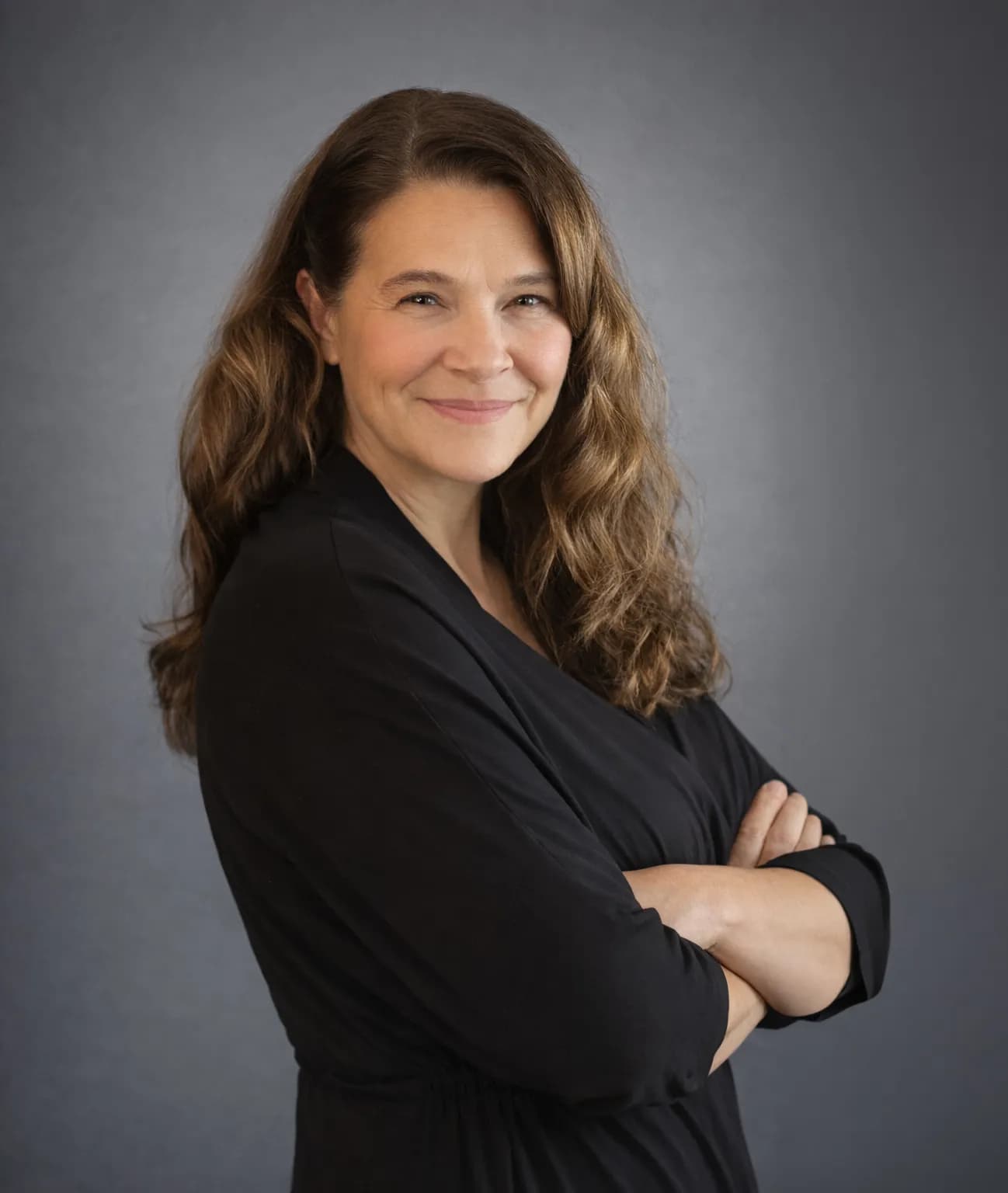
Natalija Stamenkovic, based in our Rockville office, has practiced in the Maryland, D.C. and Virginia region for more than three decades, serving families throughout Montgomery County.
Frequently asked